

Table of Contents

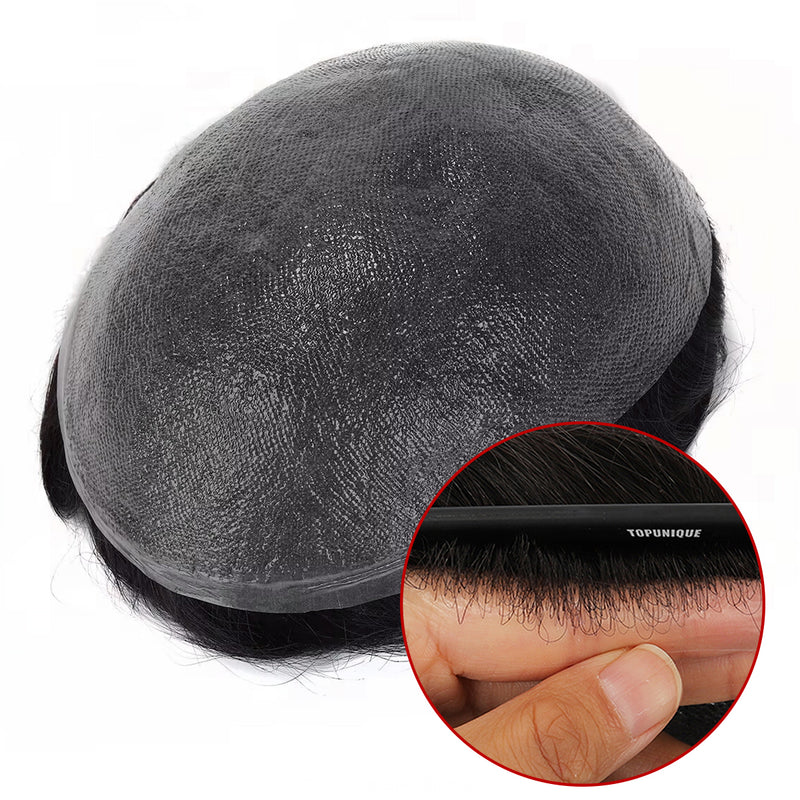
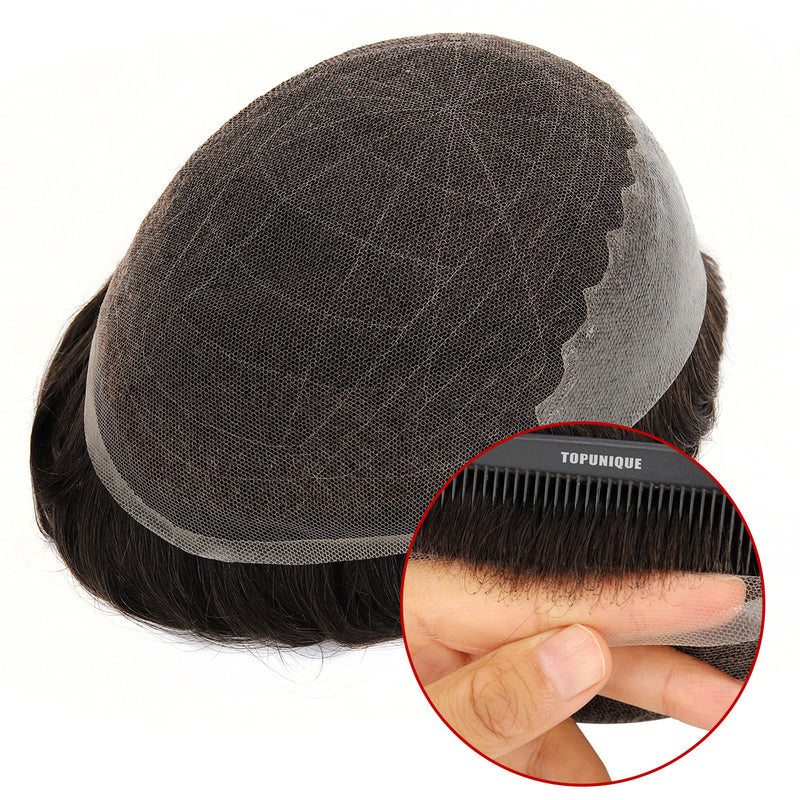
Ein schlechtes Toupet ist eines der deutlichsten Zeichen einer misslungenen Haarersatzlösung. Wir erkennen sie sofort: Systeme mit übermäßiger Dichte, farblich nicht auf das Naturhaar abgestimmt oder Designs, die ihre Künstlichkeit offenbaren. Das Problem liegt typischerweise nicht in der Qualität des Haarteils selbst. Stattdessen rühren die meisten Probleme von falschen Entscheidungen bezüglich der Dichte, der Farbabstimmung und der Verteilung von grauem Haar her. Bei TopUnique Hair haben wir zahlreichen Kunden geholfen, ihre schlechten Toupet-Erfahrungen in völlig natürlich aussehende Haarersatzlösungen umzuwandeln, die Echtheit des Toupets zu versprechen und professionelle Lösungen für unsichtbare Ergebnisse zu bieten.
Das Dichteproblem: Warum Ihr Toupet zu dick aussieht
Übermäßiges Haarvolumen erzeugt sofort ein künstliches Aussehen. Die Dichte misst die Anzahl der Haarsträhnen pro Quadratzoll auf Ihrer Toupetbasis. Wenn sie falsch ist, kann keine Stylingtechnik ein unnatürliches, helmartiges Aussehen verhindern.
Dies stellt den häufigsten Fehler dar. Viele Kunden bestellen Systeme mit 160% Dichte oder höher, in der Annahme, dass mehr Volumen bessere Ergebnisse garantiert. Die Realität ist anders – übermäßige Dichte lässt Toupets auffällig künstlich wirken und reduziert die Lebensdauer.
Wichtige Faktoren, die die passende Dichte bestimmen:
· Altersgerechte Auswahl: Ihr Alter beeinflusst die Dichtenauswahl maßgeblich. Ein 45-Jähriger, der eine für Teenager geeignete Dichte trägt, wirkt inkongruent. Natürliches Haar wird mit dem Alter dünner. Ihr System muss diese Realität widerspiegeln und sich allmählich verjüngen, um mit dem vorhandenen Haar für eine nahtlose Integration zu harmonieren.
· Empfohlene Dichteprozentsätze: Die meisten Männer erzielen optimale Ergebnisse mit mittel-leichter (100 %) oder mittlerer (120 %) Dichte. Extra leicht (60 %) passt zu älteren Personen. Leicht (80 %) bietet eine subtile Verbesserung. Für jüngere Männer eignet sich mittel-stark (140 %), und für besondere Anlässe stark (160 %).
· Texturüberlegungen: Die Dicke eines Haarschopfes wird stark von seiner Textur beeinflusst. Lockiges Haar dehnt sich nach außen aus – ein lockiges System mit 150 % Dichte wirkt so voll wie glattes Haar mit 200 % Dichte.
· Längeneinfluss: Ein 14-Zoll-System mit 180 % Dichte wirkt erheblich dicker als eine identische Dichte bei einem 26-Zoll-System, bei dem das Haar über eine größere Länge verteilt ist.
Übermäßig dichte Systeme beeinträchtigen den Komfort und erfordern erhöhten Pflegeaufwand. Professionelle Techniker können die Dichte mit spezialisierten Techniken reduzieren. Vermeiden Sie DIY-Korrekturen – konsultieren Sie erfahrene Spezialisten für fachgerechte Modifikationen.
Jedes Haarsystem wird individuell von Hand gefertigt, was zu natürlichen Abweichungen zwischen den Einheiten führt. Trotz identischer Spezifikationen können aufgrund der handwerklichen Produktionsmethoden geringfügige Dichteunterschiede zwischen den Bestellungen auftreten.
Farbliche Fehlpassung: Der offensichtlichste Indikator für ein schlechtes Toupet
Eine falsche Farbauswahl beeinträchtigt Haarsysteme mehr als jeder andere Faktor. Bei TopUnique Hair sind Kunden häufig enttäuscht, weil ihr Haarteil nicht zu ihrem biologischen Haar passt. Schon minimale halbe Farbtöne erzeugen auffällige visuelle Grenzen, die Beobachter sofort erkennen.
Zwei kritische Elemente bestimmen eine nahtlose Integration: die Grundfarbe und der Anteil an grauem Haar. Die Farbe muss genau mit Ihrem biologischen Haar übereinstimmen, insbesondere mit dem natürlichen Haarwachstum an Nacken und Schläfen, wo das Haar intakt bleibt.
Häufige Fehler bei der Farbabstimmung, die offensichtliche Toupetprobleme verursachen:
- Sich auf digitale Bilder verlassen: Nutzer machen viele Farbfehler, wenn sie Farben aus Online-Bildern auswählen, anstatt die Farben tatsächlich zu sampeln.
- Unangemessene Lichtverhältnisse bei der Beurteilung: Abgleiche, die nicht bei natürlichem Licht durchgeführt werden, liefern kein korrektes Ergebnis.
- Ungeeignete Dunkelheitsgrade: Die Wahl übermäßig dunkler Farbtöne erzeugt einen harten, unnatürlichen Kontrast.
- Untertonabweichungen übersehen: Das Ignorieren warmer, kühler oder neutraler Untertöne führt zu grundlegenden Fehlpaarungen.
- Flache Farbauswahl: Die Wahl eindimensionaler Farben, während biologisches Haar natürliche Tiefe und Variationen aufweist.
Bewährte Methoden zur Erzielung einer präzisen Farbabstimmung:
- Professionelle Haarmusteranalyse: Senden Sie physische Haarmuster zur fachgerechten Labormatchung ein.
- Farbring-Vergleichssysteme: Bestellen Sie umfassende Farbkarten mit 63 verschiedenen Farbnuancen für den Abgleich zu Hause.
- Beurteilung bei natürlichem Licht: Führen Sie alle Bewertungen ausschließlich bei Tageslicht durch.
- Seitliche und hintere Referenzpunkte: Untersuchen Sie die Seiten- und Hinterkopfregionen für genaue Ausgangsreferenzen.
- Hellere Farbauswahl: Bei der Abwägung zwischen Optionen wählen Sie geringfügig hellere Variationen für eine bessere Mischung.
- Vorteile der Echthaaranpassung: Echthaarsysteme ermöglichen professionelle Färbe- und Farbverfahren, wodurch geringfügige Farbabweichungen im Gegensatz zu synthetischen Alternativen korrigiert werden können.
Die Farbabstimmung geht über das reine Haar-Matching hinaus:
- Teint-Kompatibilität: Ausgewählte Farbtöne müssen zu Ihrem Hautton passen.
- Vermeidung übermäßiger Dunkelheit: Übermäßig dunkle Farben zu helleren Teints schaffen unverkennbare Hinweise auf Künstlichkeit.
- Umfassende Harmonie: Eine erfolgreiche Farbauswahl erfordert die gleichzeitige Abstimmung mit biologischem Haar und Hautmerkmalen.
Bei TopUnique Hair bieten wir fachkundige Beratung bei der Auswahl von Farben, die mit Ihrem verbleibenden biologischen Haar und Ihrem Teint harmonieren, um völlig unsichtbare Ergebnisse zu erzielen.
Fehlendes graues Haar lässt Ihr Toupet unecht aussehen
Nichts kehrt das scheinbare Alter so dramatisch um wie pechschwarze Haarteile bei reifen Individuen. Biologisches Haar ergraut natürlich mit zunehmendem Alter, und Ihr Haarteil muss diese physiologische Realität widerspiegeln. Die meisten Männer zeigen erste graue Haare in ihren Vierzigern und Fünfzigern. Haarteile ohne graue Strähnen wirken bei jedem über Mitte dreißig absurd künstlich.
Der Grauanteil gibt den Anteil an grauem Haar an, der in Ihr System integriert ist, im Verhältnis zur Hauptfarbzusammensetzung. Ein Haarteil könnte 60 % braune Strähnen in Kombination mit 40 % grauen Strähnen enthalten. Dieses Verhältnis beeinflusst maßgeblich das Erreichen eines altersgerechten Aussehens. Verfügbare Optionen beginnen bei 5 % Grauentwicklung bis hin zu vollständig grauen Systemen. Standard-Haarteile bieten typischerweise Grau ab 10 % an, das sich bis zum vollständigen Grau steigert.
Sonderanfertigungen ermöglichen die Kontrolle über die Platzierung von Grau in acht verschiedenen Kopfzonen. Natürliche Grauhaarwuchsmuster zeigen an den Schläfenregionen mehr Silber, daher geben Kunden typischerweise höhere Grauanteile an den seitlichen Bereichen an. Wenn der erforderliche Prozentsatz unter 30 % liegt, ist synthetisches Grau optimal. Menschliches graues Haar reflektiert das Licht unter Sonnenlichtbedingungen natürlicher. Folglich schafft die Anpassung an den vorhandenen Grauanteil nahtlose Übergänge zwischen Haarteil und biologischem Haar.
Bei TopUnique Hair helfen wir Kunden, den passenden Grauanteil für ihr Alter und die Beschaffenheit ihres biologischen Haares auszuwählen und so Probleme mit schlechten Toupets vollständig zu eliminieren.
Fazit
Ihr offensichtlich schlechtes Toupet muss nicht dauerhaft sichtbar sein. Die drei grundlegenden Probleme, die besprochen wurden – falsche Dichteangaben, unpassende Farbabstimmung und fehlende Integration von grauem Haar – sind die Hauptursachen für unnatürlich wirkende Haarsysteme. Beheben Sie diese spezifischen Probleme, und Ihr Haarteil wird vollständig unsichtbar. Die meisten Kunden benötigen mittlere Dichteangaben, professionelle Farbanpassung mittels umfassender Farbring-Systeme und altersgerechte Integration von Grauanteilen. Wir helfen Kunden, natürliche Ergebnisse auf topuniquehair.com zu erzielen, denn Präzision in diesen Details entscheidet über den Unterschied zwischen auffälligen und unsichtbaren Haarteilen.




0 Kommentare