

Table of Contents

Picking the right hair topper color can be tough for new users. A wrong shade is noticeable, while a perfect match blends with your natural hair.
One essential detail many overlook is matching your topper color to your roots rather than your ends. If your hair has highlights or multiple tones, pick a topper that matches a similar range of color variations.
This guide shows you everything about matching hair topper colors. You'll learn color basics, how to match shades, the difference between rooted and solid colors, and ways to test for a natural look.
Understanding Hair Topper Color Basics
The hair topper shades use numbers from one to ten. The top number contains darker shades, the bottom number contains lighter shades.
The following are some shades:
· Black shades are in the 1 and 2 numbers.
· Numbers 4-12 represent brown colors.
· The numbers 14-26 are shades of blonde.
· The red colors range from #27 to #33.
· Numbers 34-60 are shaded in grey.
In this system you will not have to guess which shades you should pick!
The letters A, G, C, R and V further identify the nuances of these colors, and represent ash, gold, copper, red and violet. "6G" means dark blonde with gold tones. Your hair has warm, cool, or neutral undertones. Warm shows golden or copper hues. Cool displays ash or violet bases. Match your topper's undertone to your natural hair.
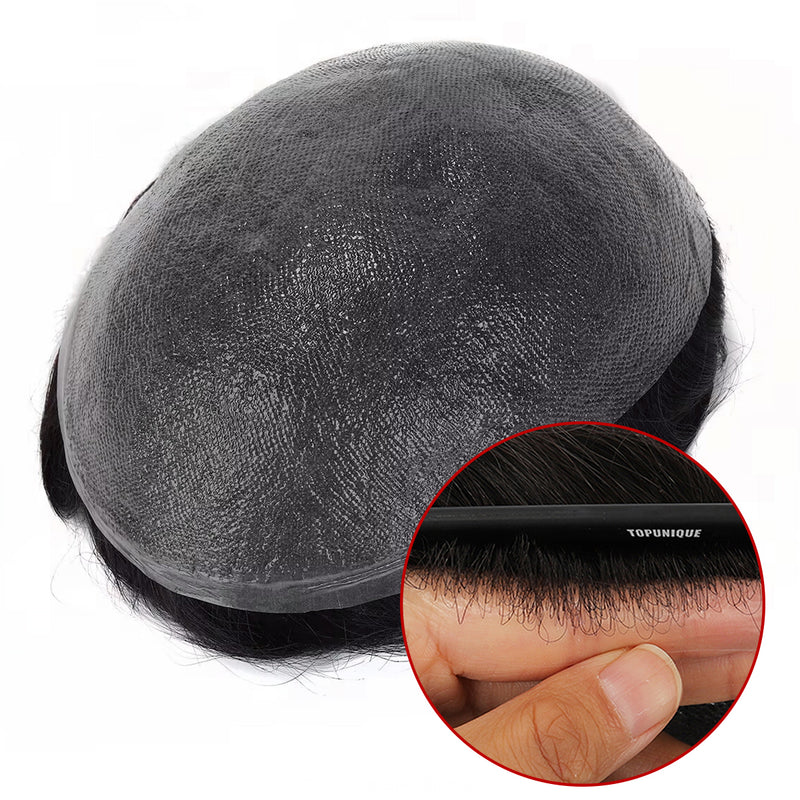
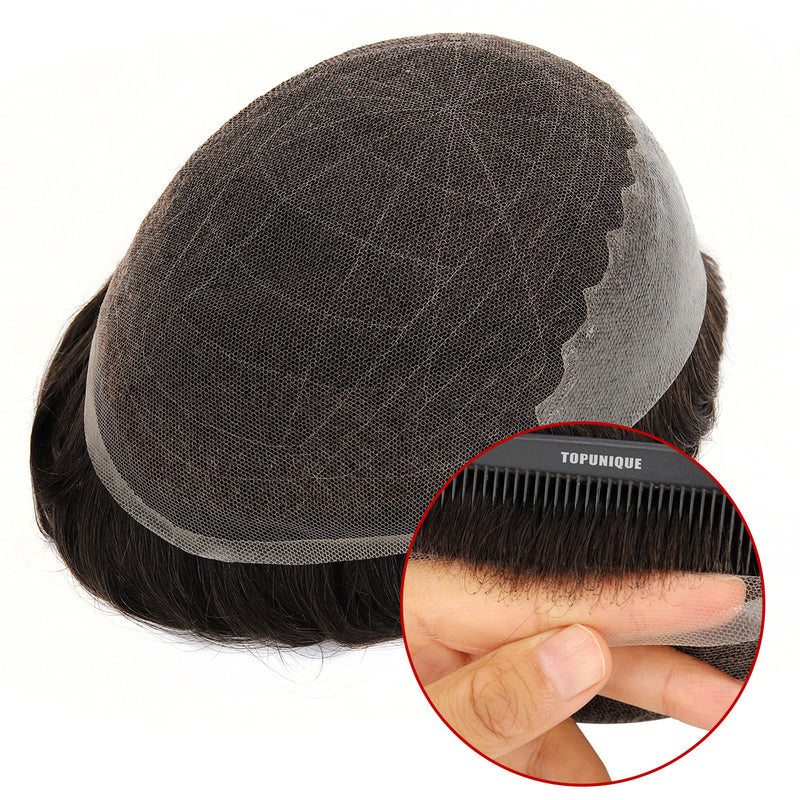
Human hair toppers let you add darker colors or lowlights safely. Our TUW29 injection silk base topper and TUW30 silk injection clip-in topper use 100% human hair. Never bleach toppers lighter. Bleach damages hair permanently. Choose pre-colored toppers for highlights instead.
How to Match Your Natural Hair Color
First of all, inspect your locks in natural sunlight. Screen images and indoor lights change how colors look. Stand near a window or go outside when comparing shades.
Match the topper to your root color, not your ends. Pull a section away from your head so light shines through it. Hair stacked together always looks darker than it really is.
Order physical color samples to compare at home. Never trust product photos alone. Choose a lighter shade compared to the two selected colors. Human hair topping is easy to darken but not lighten.
Your skin tone matters too. Warm skin suits golden or copper tones. Cool skin works with ash or platinum shades.
Larger toppers need less exact matching since they cover more hair. Some brands analyze hair samples you send them for perfect matches.
Choosing Between Rooted and Solid Hair Topper Colors

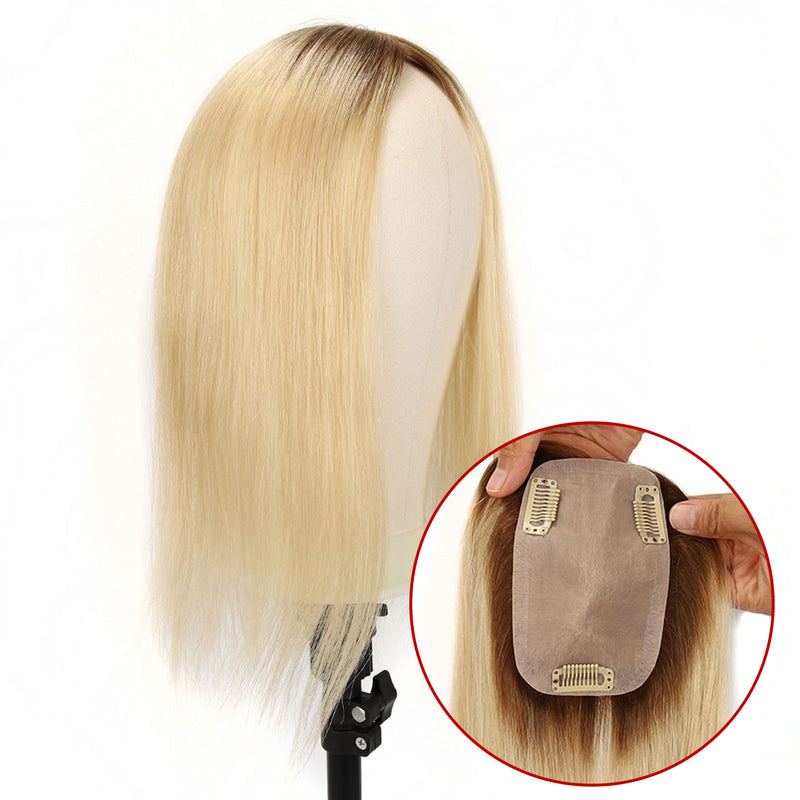
Rooted colors feature darker roots that gradually transition into lighter lengths. This design mimics how your hair naturally grows from the scalp. Solid colors maintain one consistent shade from root to tip without variation.
Choosing rooted hair topper color options creates depth and dimension that matches real hair growth patterns. The darker roots replicate your natural scalp appearance, particularly around the crown and parting area. This technique produces a more authentic look than flat, single-tone colors.
Rooted colors offer several practical advantages. They blend seamlessly even when your topper has a different overall tone than your natural hair. As long as the root shades match, the dimensional effect creates a cohesive appearance. In addition, rooted colors require less maintenance because they mask the transition period as your natural hair grows.
Solid colors work when your natural hair is one uniform shade without highlights or dimension. If your roots and lengths share the same tone, a solid color topper matches easily. However, most people have some natural variation in their hair.
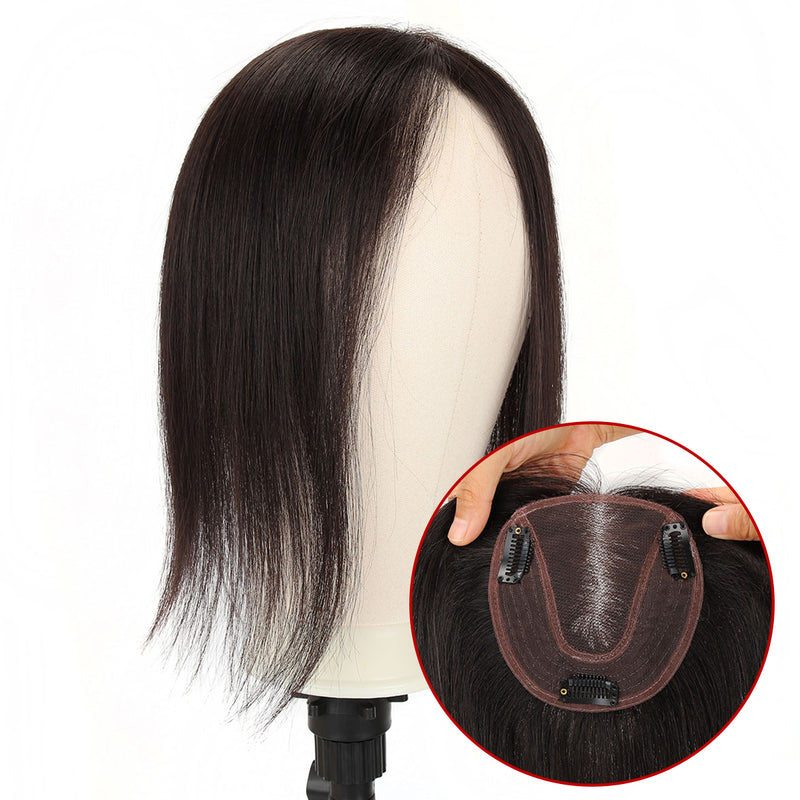
Base size influences whether you need rooted colors. Larger toppers covering extensive areas give you more flexibility with color variation. Our TUW29 injection silk base topper and TUW30 silk injection clip-in topper both come in rooted options that accommodate different blending needs.
Salt-and-pepper or silver hair benefits from rooted and gray-blended colors. These create the most natural appearance for multi-tonal gray hair. Similarly, blonde toppers often look more realistic with soft, darker roots that add balance and dimension.
When selecting between rooted and solid options for hair topper color choices, examine your natural hair in daylight. If you see any root shadow or dimensional tones, rooted colors will blend better than solid shades.
Testing and Confirming Your Hair Topper Color Choice

Verifying your selection before purchase prevents costly mistakes. Color rings provide the most reliable testing method. These rings contain small physical swatches that you hold directly against your natural hair in proper lighting. Many brands offer loan programs where you purchase the ring, use it for matching, then return it for a full refund minus shipping costs.
Screen brightness and saturation distort how colors appear online. As a result, product photos serve only as rough guides. Color descriptions using terms like "ashy" or "warm golden" often prove more accurate than images. When uncertainty persists, email customer service teams with photos of your hair taken in natural daylight for personalized recommendations.
Sending a hair sample delivers professional-level precision. Experienced designers analyze your sample and select the best match. This service confirms you'll receive the right hair topper color for your needs.
Fiber type affects color appearance between materials. Human hair shows warmer tones than synthetic fiber in identical numbered shades. Select color rings matching your topper's fiber type for accurate comparison.
Root touch-up powders fix minor mismatches quickly. Lightly dab powder matching your root color onto the topper's base and part line to blend slight differences.
Our TUW29 injection silk base topper and TUW30 silk injection clip-in topper ship in multiple tested shades, with custom color production available in just 2 weeks for perfect matching.
Conclusion
Right now, you have all the knowledge needed to select the perfect hair topper color that blends seamlessly with your natural hair. Match your roots first, test with color rings in natural light, and choose rooted options for dimensional results.




0 comentarios