

Table of Contents

Introduction
When we find a beautiful look we love, there's an internal boost of confidence that comes with knowing we're wearing a high-end wig. But while we're trying on our dream hair, we wonder what life was like for that luxurious human-hair wig before it reached the beauty salon. Specifically, where do human hair wigs come from?
In this complete guide, the real story of hair sourcing worldwide, an inside look at collecting Hair Sourcing Guidelines for Ethical Sourcing, the brand, and how hair gets made. Each step is important for enjoying a soft, natural, and long-lasting product, such as those offered by Top Unique Hair.
The Global Journey: Where Do Human Hair Wigs Come from Across the World?
If we are asking ourselves what the origin of human hair wigs is, we have to consider supply and demand for trade winds around the world. Genuine human hair originates from various geographic regions across Asia, South America, and Eastern Europe.

The majority of the global hair imports come from Asian nations. Warehouses harvest enormous quantities of our natural hair from India, China, Vietnam, Cambodia, and Myanmar. Indian hair features naturally curled or wavy textures and medium density, allowing it to be styled in various ways and to blend wonderfully with any hair extension style. Vietnamese and Cambodian strands are known for their strength, natural luster, and exceptionally full hair fibers.
Eastern Europe supplies a limited but in-demand source of high-quality hair. European hair is characterized by lighter individual shades, silky textures, and finer individual hair diameters. Due to the limited supply of raw European hair, prices are significantly higher. South American hair is known for its darker, bouncy waves with good shine and body.
Local networks of collectors, hair auctions, and regional suppliers are essential for the gathering of raw hair. Collector’s source long hair from personal donations, local salons, and rural communities within the main regions. Raw bundles from these sources are then directly shipped to a processing center for sorting and cleaning.
Religious Donations and Personal Sales: Traditional Hair Collection Methods

The origin of human hair wigs becomes clear once you understand how the collection is carried out. In fact, there are two ways in which the largest quantity of raw hair gets into commercial circulation nowadays: Collecting human hair donations from religious temples and buying directly from human hair donors.
In South India, temple shaving is the biggest supplier of raw human hair. Millions of pilgrims travel to the holy temple of Tirumala Venkateshwara each year. They believe shaving their heads in gratitude and devotion to God is a traditional way to pay homage, and so they happily part with their tresses. The temple sells the hair at auction and then uses the earnings to support the health and education of its local community.
The second most common way that rural Asian villages contribute to the collection process is through direct commercial purchasing. By visiting small towns or villages, independent collectors purchase long hair from women seeking a little extra money. Donors are paid in cash based on the total weight and length of their hair.
Ethical sourcing is entirely dependent on complete transparency and adequate financial remuneration at all stages. Good suppliers will treat each and every donor with respect and dignity; each must be free to sell or give away their hair as they wish, free from any coercion. Good traders will monitor the entire supply chain to protect the welfare of each individual involved.
From Raw Strands to Finished Caps: The Detailed Manufacturing Process
Now that we have covered where do human hair wigs come from, let's take a closer look at the manufacturing process. It requires patience, skill, and dedication to transform raw hair into a beautiful, manageable hairpiece. Raw hair must undergo several washing and manufacturing steps before it reaches your doorstep.
The hair strands are separated by length, color, and cuticle direction. Since hair strands are sorted so that their cuticles face the same direction, friction, knots, and matting do not occur. In Remy hair, all hair strands are aligned in the same direction, from the root to the tip. Non-Remy hair is mixed in and treated with an acid bath to remove some layers of the cuticle.

After sorting, every bundle of hair is washed, sanitized, and deep-conditioned using mild cleansing products. The expert stylist then color-treats, steam-treats, or soft-waves the hair to achieve the most popular style textures. Every step is handled with care to ensure internal keratin bonds are not compromised and that the strongest possible structural hair strength is preserved.
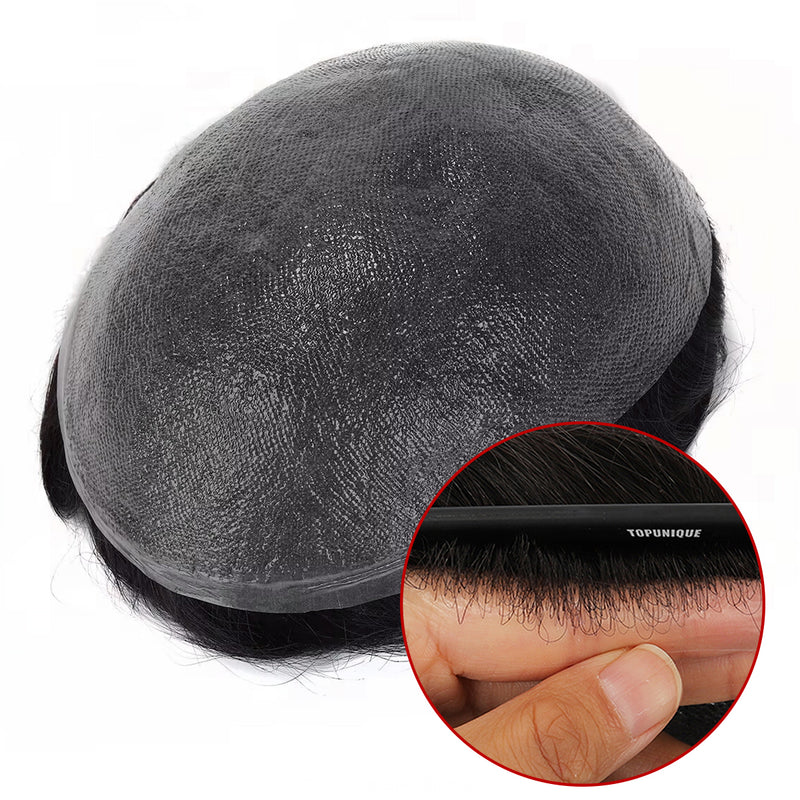
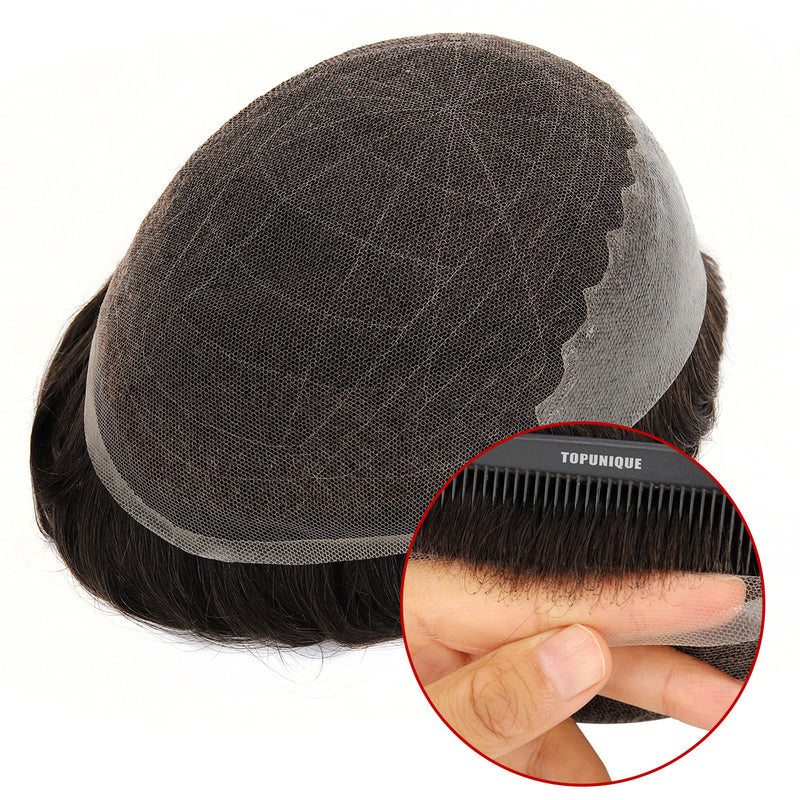
Lastly, fine artisans thread the styled hair into breathable mesh bases or lace wig caps. Individual hand-tied knots onto ultra-fine lace bases produce an invisible, natural hairline. The best factories evaluate each finished piece for density, durable knots, and long-lasting softness, whilst checking for shedding or gaps.
Ethical Sourcing and Remy Quality: Choosing Responsible Hair Products
Our first question when searching for where do human hair wigs come from is always, "ethics and quality?" We understand that you want the wig to look stunningly natural while honoring the human hands that created the raw materials. Selecting ethically sourced Remy hair ensures peace of mind and longevity.
Responsible sourcing ensures that suppliers respect donor rights and pay fair wages throughout the entire collection network. Transparent brands audit their supply chains and refuse to purchase hair obtained through deception or exploitation. When a company is transparent, we can feel good about wearing our gorgeous hair systems.
The quality of the hair level will determine how long your newly installed hairpiece will maintain its softness, shine, and bounce. Virgin Remy hair is the highest standard of quality because it is cuticle-intact and has never been chemically treated. Virgin hair can endure heat styling, custom coloring treatments, and regular washing far better than other types.
Conditioners are applied to higher-grade non-Remy hair to deceive the naked eye about the extent of surface damage and cuticle loss. Still, they will wash away after several shampoos, leaving your hair feeling dry, frizzy, and difficult to comb. Quality costs in the long run.
Why TopUnique Hair Delivers Superior Craftsmanship and Value
Knowing where do human hair wigs come from allows us to invest in better hair products. Top Unique Hair is a trusted leader in premium human hair systems and hair replacement for centuries. Our full range of hair products is engineered to ensure optimal comfort, effortless movement, and longevity for all our clients.
Top Unique Hair's highest-quality raw human hair is sourced via ethical, traceable, and transparent supplier channels. We only use healthy, cuticle-aligned strands that remain smooth, silky, and tangle-free. Each hair is individually hand-tied to create light, airy, breathable wefts that mimic natural scalp and hair growth, for an ultra-natural look and feel.
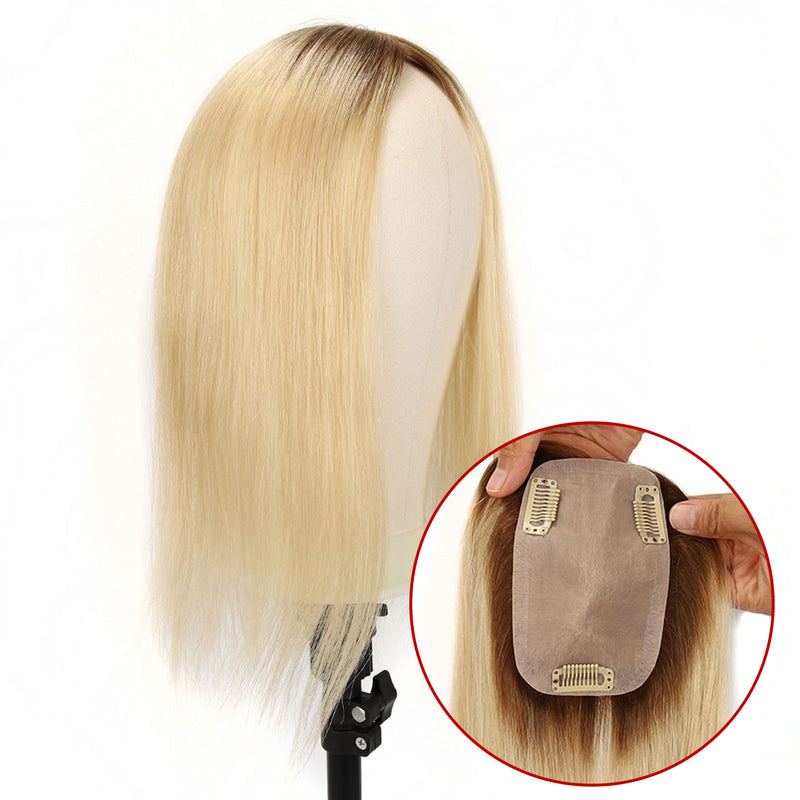
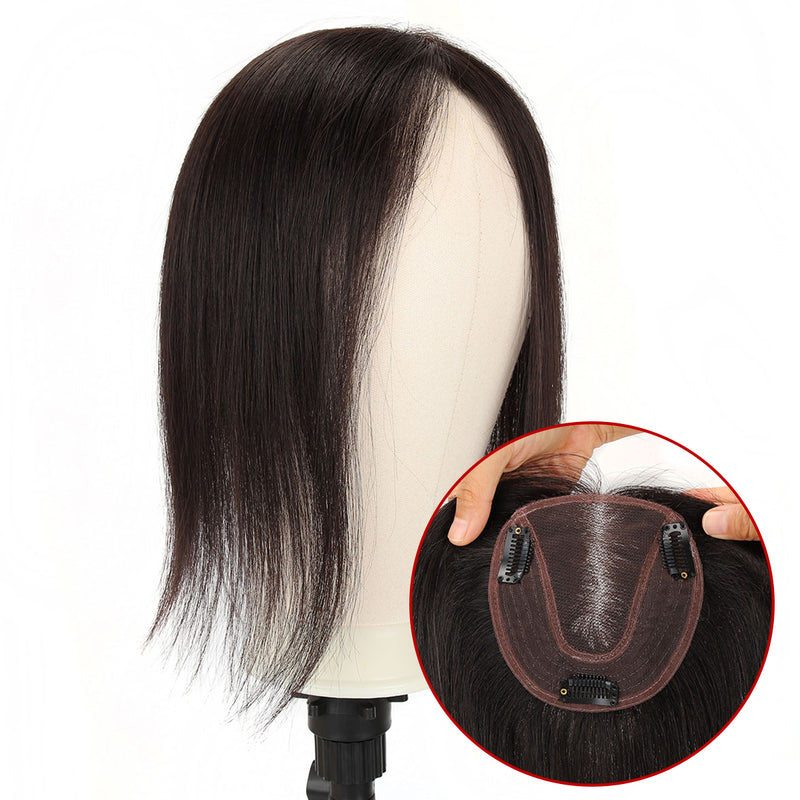
Whether it's a full-coverage wig, a custom hair system, or a hair topper, Top Unique Hair has what you're looking for. They're designed to last, stay color-strong, and withstand everyday shedding, routine heat styling, and more. And as a beginner, you'll appreciate the simplicity of installing, styling, and maintaining them right out of the package.
Yes, we believe everyone deserves the best! Gorgeous hair and the peace of mind you need with all the highest ethical sourcing you demand. Top Unique Hair offers that perfect combination of raw materials purity, handmade mastery, and affordable prices for all.
Frequently Asked Questions About Human Hair Sourcing
How can we tell if a wig uses real human hair or synthetic fibers?
Here's an easy test for hair fibers - burn a few loose fibers. Human hair will burn slowly, leave very fine gray ash, and smell like burning feathers; synthetic fibers will melt almost instantly, form rigid plastic beads, and smell like a horrible chemical.
What makes Remy human hair better than non-Remy human hair?
The strands are kept aligned with Remy hair. Remy Hair Keep Cuticles Lined Up Using Alcohol. Remy hair has all its cuticles aligned in the same direction throughout the length of the strands. This alignment ensures that the hair experiences minimal friction when you wear it.
How long does a high-quality human hair wig normally last?
A high-quality human hair wig can last between 1 and 3 years with regular care and proper handling. Using sulfate-free shampoos, nourishing conditioners, and heat-protection products can help keep strands soft, shiny, and healthy. Use a wig stand to keep your strands in place while you sleep.
Are human hair wigs comfortable for complete beginners to wear daily?
Today's hairpieces for women make use of breathable lace or monofilament lace bases that are even softer and more comfortable to wear. The base is thin, flexible, lightweight, and breathable, so it allows good airflow to your scalp, keeping you comfortable and itch-free. Clips and adjustable straps are used to keep the hair securely in place.




0 comentarios